
Sealers (Plastic Strapping)
From: £28.00
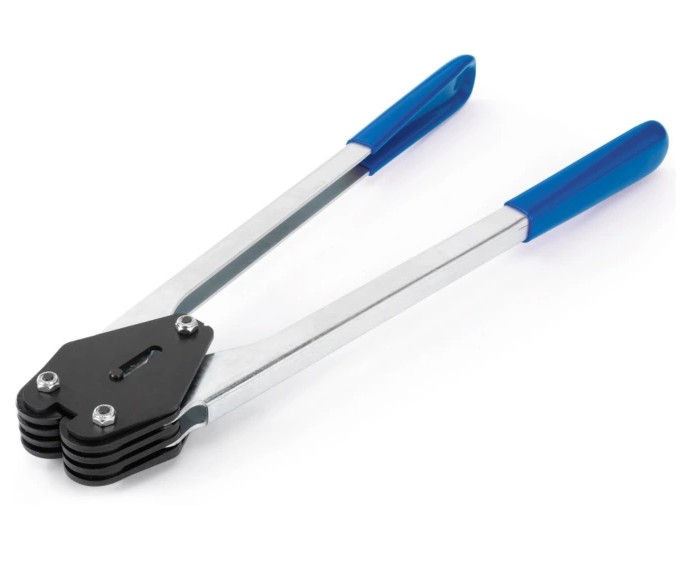
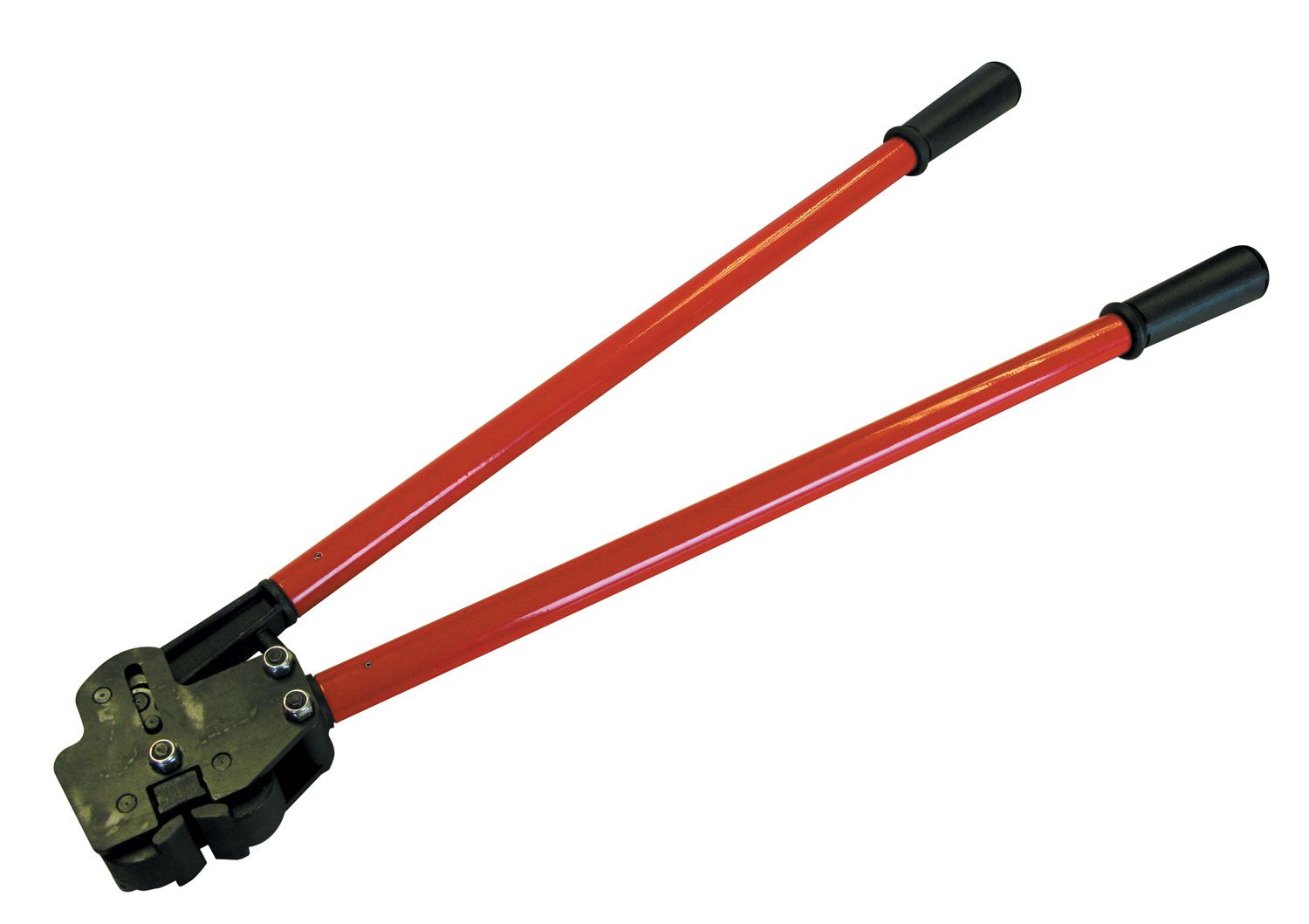
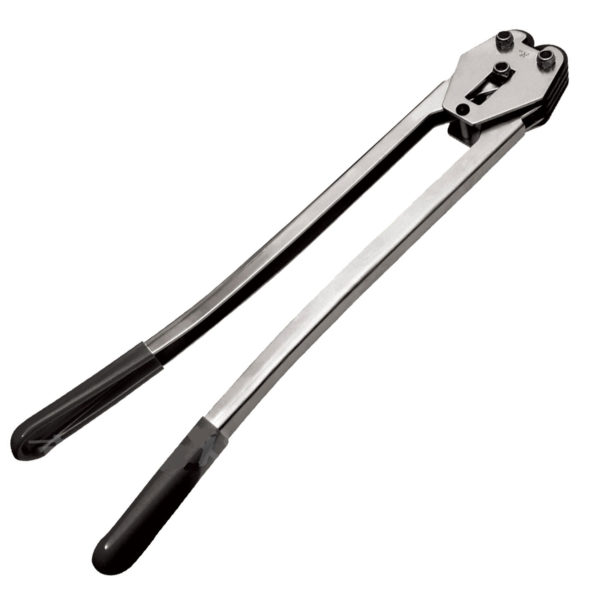
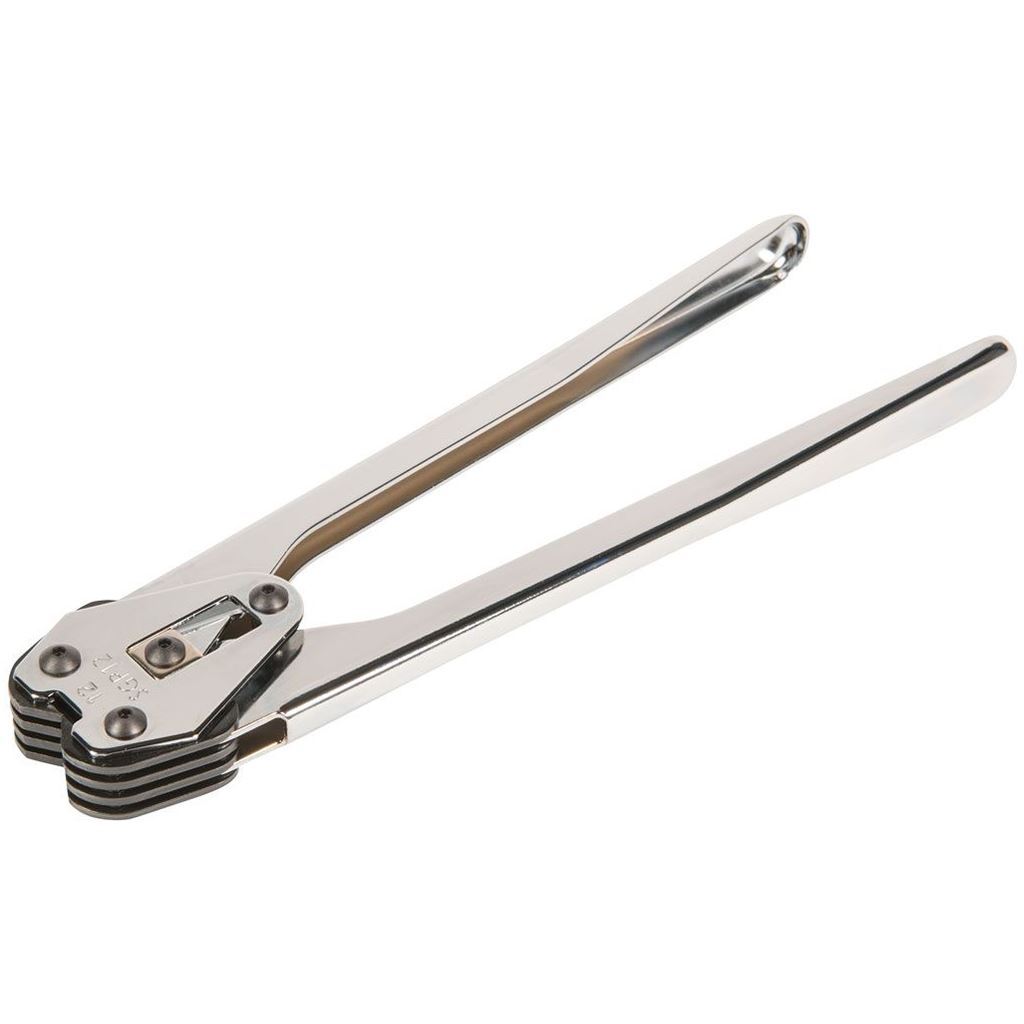
- Hand-operated tool that crimps a metal seal (clip) around the overlapped ends of the strapping, locking the strap in place
- Essential after the strap has been tensioned around the load
- You can get combination tools that seal and tension all in one
- Sealers below are for Polypropylene (PP) or Extruded Polyester (PET) strapping
More Info
Image
Product Code
Option Name
Compatible Strapping & SealsUnit
Price per Unit
Price
Quantity
KNS12
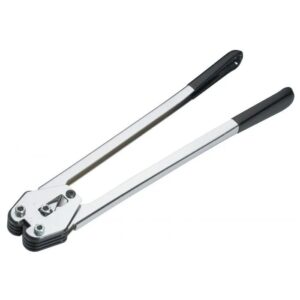
KNS12
KNS12 - Medium Duty - 12mm Offset Jaw Sealer - (PP & PET Strapping)
Polypropylene or Extruded Polyester Strapping - Serrated Seals
£29.75
Sealers (Plastic Strapping)
KNS12 - Medium Duty - 12mm Offset Jaw Sealer - (PP & PET Strapping)
KNS12Sealers (Plastic Strapping)
KNS12, KNS16, SGP12, SGP16, KSP12, PSH12, PSH16, QOS19 PP (Polypropylene) and PET (Polyester) strapping are two common types of plastic strapping used for bundling, palletising, packaging boxes, and securing loads. A strapping sealer is a hand-operated tool that crimps a metal seal (clip) around the overlapped ends of the strapping which permanently locks the strap after tensioning. Some tools are manual “sealers only”, which is used after the tensioner. You can also get combination tools that both tension the strap and seal it (and sometimes even cut it) in one go. Combination tools are especially helpful for efficiency, particularly in warehousing and packaging operations. PP and PET can require slightly different handling (tensioning, seal type, flexibility), some tools are specifically built to handle both PP and PET, useful if you use both strapping materials. If you’re sealing light loads or small packages a manual sealer and a separate tensioner is usually enough.If you work with both PP and PET strap, look for tools specifically rated for both materials. This gives flexibility without needing separate tool sets.
Consider strap width and seal type: many manual sealers are for 12 mm straps; heavy-duty or 16 mm versions are better for bigger, heavier loads.
KNS16
KNS16
KNS16 - Medium Duty - 16mm Offset Jaw Sealer - (PP & PET Strapping)
Polypropylene or Extruded Polyester Strapping - Serrated Seals
£68.95
Sealers (Plastic Strapping)
KNS16 - Medium Duty - 16mm Offset Jaw Sealer - (PP & PET Strapping)
KNS16Sealers (Plastic Strapping)
KNS12, KNS16, SGP12, SGP16, KSP12, PSH12, PSH16, QOS19 PP (Polypropylene) and PET (Polyester) strapping are two common types of plastic strapping used for bundling, palletising, packaging boxes, and securing loads. A strapping sealer is a hand-operated tool that crimps a metal seal (clip) around the overlapped ends of the strapping which permanently locks the strap after tensioning. Some tools are manual “sealers only”, which is used after the tensioner. You can also get combination tools that both tension the strap and seal it (and sometimes even cut it) in one go. Combination tools are especially helpful for efficiency, particularly in warehousing and packaging operations. PP and PET can require slightly different handling (tensioning, seal type, flexibility), some tools are specifically built to handle both PP and PET, useful if you use both strapping materials. If you’re sealing light loads or small packages a manual sealer and a separate tensioner is usually enough.If you work with both PP and PET strap, look for tools specifically rated for both materials. This gives flexibility without needing separate tool sets.
Consider strap width and seal type: many manual sealers are for 12 mm straps; heavy-duty or 16 mm versions are better for bigger, heavier loads.
STR-TO-006 (SGP12)
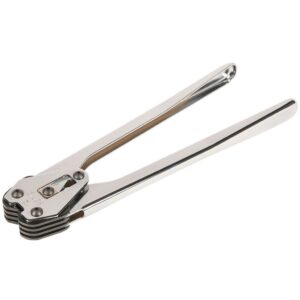
STR-TO-006 (SGP12)
SGP12 - Standard - 12mm PP Strapping Sealer
Polypropylene Strapping Only and Semi-open Seals
£46.00
Sealers (Plastic Strapping)
SGP12 - Standard - 12mm PP Strapping Sealer
STR-TO-006 (SGP12)Sealers (Plastic Strapping)
KNS12, KNS16, SGP12, SGP16, KSP12, PSH12, PSH16, QOS19 PP (Polypropylene) and PET (Polyester) strapping are two common types of plastic strapping used for bundling, palletising, packaging boxes, and securing loads. A strapping sealer is a hand-operated tool that crimps a metal seal (clip) around the overlapped ends of the strapping which permanently locks the strap after tensioning. Some tools are manual “sealers only”, which is used after the tensioner. You can also get combination tools that both tension the strap and seal it (and sometimes even cut it) in one go. Combination tools are especially helpful for efficiency, particularly in warehousing and packaging operations. PP and PET can require slightly different handling (tensioning, seal type, flexibility), some tools are specifically built to handle both PP and PET, useful if you use both strapping materials. If you’re sealing light loads or small packages a manual sealer and a separate tensioner is usually enough.If you work with both PP and PET strap, look for tools specifically rated for both materials. This gives flexibility without needing separate tool sets.
Consider strap width and seal type: many manual sealers are for 12 mm straps; heavy-duty or 16 mm versions are better for bigger, heavier loads.
STR-TO-007 (SGP16)
STR-TO-007 (SGP16)
SGP16 - Standard - 16mm PP Strapping Sealer
Polypropylene Strapping Only and Semi-open Seals
£49.00
Sealers (Plastic Strapping)
SGP16 - Standard - 16mm PP Strapping Sealer
STR-TO-007 (SGP16)Sealers (Plastic Strapping)
KNS12, KNS16, SGP12, SGP16, KSP12, PSH12, PSH16, QOS19 PP (Polypropylene) and PET (Polyester) strapping are two common types of plastic strapping used for bundling, palletising, packaging boxes, and securing loads. A strapping sealer is a hand-operated tool that crimps a metal seal (clip) around the overlapped ends of the strapping which permanently locks the strap after tensioning. Some tools are manual “sealers only”, which is used after the tensioner. You can also get combination tools that both tension the strap and seal it (and sometimes even cut it) in one go. Combination tools are especially helpful for efficiency, particularly in warehousing and packaging operations. PP and PET can require slightly different handling (tensioning, seal type, flexibility), some tools are specifically built to handle both PP and PET, useful if you use both strapping materials. If you’re sealing light loads or small packages a manual sealer and a separate tensioner is usually enough.If you work with both PP and PET strap, look for tools specifically rated for both materials. This gives flexibility without needing separate tool sets.
Consider strap width and seal type: many manual sealers are for 12 mm straps; heavy-duty or 16 mm versions are better for bigger, heavier loads.
KSP12
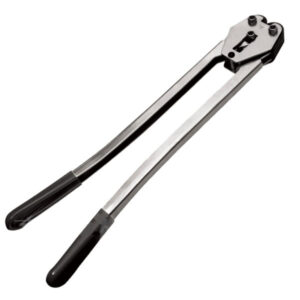
KSP12
KSP12 - Budget 12mm PP Strapping Sealer
Polypropylene Strapping Only and Semi-open Seals
£28.00
Sealers (Plastic Strapping)
KSP12 - Budget 12mm PP Strapping Sealer
KSP12Sealers (Plastic Strapping)
KNS12, KNS16, SGP12, SGP16, KSP12, PSH12, PSH16, QOS19 PP (Polypropylene) and PET (Polyester) strapping are two common types of plastic strapping used for bundling, palletising, packaging boxes, and securing loads. A strapping sealer is a hand-operated tool that crimps a metal seal (clip) around the overlapped ends of the strapping which permanently locks the strap after tensioning. Some tools are manual “sealers only”, which is used after the tensioner. You can also get combination tools that both tension the strap and seal it (and sometimes even cut it) in one go. Combination tools are especially helpful for efficiency, particularly in warehousing and packaging operations. PP and PET can require slightly different handling (tensioning, seal type, flexibility), some tools are specifically built to handle both PP and PET, useful if you use both strapping materials. If you’re sealing light loads or small packages a manual sealer and a separate tensioner is usually enough.If you work with both PP and PET strap, look for tools specifically rated for both materials. This gives flexibility without needing separate tool sets.
Consider strap width and seal type: many manual sealers are for 12 mm straps; heavy-duty or 16 mm versions are better for bigger, heavier loads.
STR-TO-010 (PSH12)
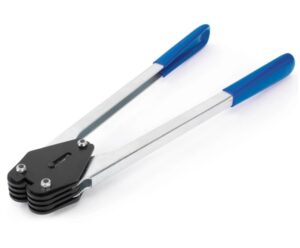
STR-TO-010 (PSH12)
PSH12 - Heavy Duty - 12mm PP Strapping Sealer
Polypropylene Strapping Only and Semi-open Seals
£130.00
Sealers (Plastic Strapping)
PSH12 - Heavy Duty - 12mm PP Strapping Sealer
STR-TO-010 (PSH12)Sealers (Plastic Strapping)
KNS12, KNS16, SGP12, SGP16, KSP12, PSH12, PSH16, QOS19 PP (Polypropylene) and PET (Polyester) strapping are two common types of plastic strapping used for bundling, palletising, packaging boxes, and securing loads. A strapping sealer is a hand-operated tool that crimps a metal seal (clip) around the overlapped ends of the strapping which permanently locks the strap after tensioning. Some tools are manual “sealers only”, which is used after the tensioner. You can also get combination tools that both tension the strap and seal it (and sometimes even cut it) in one go. Combination tools are especially helpful for efficiency, particularly in warehousing and packaging operations. PP and PET can require slightly different handling (tensioning, seal type, flexibility), some tools are specifically built to handle both PP and PET, useful if you use both strapping materials. If you’re sealing light loads or small packages a manual sealer and a separate tensioner is usually enough.If you work with both PP and PET strap, look for tools specifically rated for both materials. This gives flexibility without needing separate tool sets.
Consider strap width and seal type: many manual sealers are for 12 mm straps; heavy-duty or 16 mm versions are better for bigger, heavier loads.
PSH16
PSH16
PSH16 - Heavy Duty - 16mm PP Strapping Sealer
Polypropylene Strapping Only and Semi-open Seals
£127.00
Sealers (Plastic Strapping)
PSH16 - Heavy Duty - 16mm PP Strapping Sealer
PSH16Sealers (Plastic Strapping)
KNS12, KNS16, SGP12, SGP16, KSP12, PSH12, PSH16, QOS19 PP (Polypropylene) and PET (Polyester) strapping are two common types of plastic strapping used for bundling, palletising, packaging boxes, and securing loads. A strapping sealer is a hand-operated tool that crimps a metal seal (clip) around the overlapped ends of the strapping which permanently locks the strap after tensioning. Some tools are manual “sealers only”, which is used after the tensioner. You can also get combination tools that both tension the strap and seal it (and sometimes even cut it) in one go. Combination tools are especially helpful for efficiency, particularly in warehousing and packaging operations. PP and PET can require slightly different handling (tensioning, seal type, flexibility), some tools are specifically built to handle both PP and PET, useful if you use both strapping materials. If you’re sealing light loads or small packages a manual sealer and a separate tensioner is usually enough.If you work with both PP and PET strap, look for tools specifically rated for both materials. This gives flexibility without needing separate tool sets.
Consider strap width and seal type: many manual sealers are for 12 mm straps; heavy-duty or 16 mm versions are better for bigger, heavier loads.
QOS19
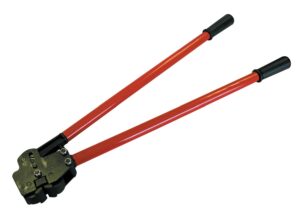
QOS19
QOS19 - Heavy Duty - 19mm Sealer (PP PET)
Polypropylene or Extruded Polyester Strapping - Serrated Seals
£344.00
Sealers (Plastic Strapping)
QOS19 - Heavy Duty - 19mm Sealer (PP PET)
QOS19Sealers (Plastic Strapping)
KNS12, KNS16, SGP12, SGP16, KSP12, PSH12, PSH16, QOS19 PP (Polypropylene) and PET (Polyester) strapping are two common types of plastic strapping used for bundling, palletising, packaging boxes, and securing loads. A strapping sealer is a hand-operated tool that crimps a metal seal (clip) around the overlapped ends of the strapping which permanently locks the strap after tensioning. Some tools are manual “sealers only”, which is used after the tensioner. You can also get combination tools that both tension the strap and seal it (and sometimes even cut it) in one go. Combination tools are especially helpful for efficiency, particularly in warehousing and packaging operations. PP and PET can require slightly different handling (tensioning, seal type, flexibility), some tools are specifically built to handle both PP and PET, useful if you use both strapping materials. If you’re sealing light loads or small packages a manual sealer and a separate tensioner is usually enough.If you work with both PP and PET strap, look for tools specifically rated for both materials. This gives flexibility without needing separate tool sets.
Consider strap width and seal type: many manual sealers are for 12 mm straps; heavy-duty or 16 mm versions are better for bigger, heavier loads.
Description
Sealers (Plastic Strapping)
KNS12, KNS16, SGP12, SGP16, KSP12, PSH12, PSH16, QOS19
PP (Polypropylene) and PET (Polyester) strapping are two common types of plastic strapping used for bundling, palletising, packaging boxes, and securing loads.
A strapping sealer is a hand-operated tool that crimps a metal seal (clip) around the overlapped ends of the strapping which permanently locks the strap after tensioning.
Some tools are manual “sealers only”, which is used after the tensioner.
You can also get combination tools that both tension the strap and seal it (and sometimes even cut it) in one go. Combination tools are especially helpful for efficiency, particularly in warehousing and packaging operations.
PP and PET can require slightly different handling (tensioning, seal type, flexibility), some tools are specifically built to handle both PP and PET, useful if you use both strapping materials.
If you’re sealing light loads or small packages a manual sealer and a separate tensioner is usually enough.
If you work with both PP and PET strap, look for tools specifically rated for both materials. This gives flexibility without needing separate tool sets.
Consider strap width and seal type: many manual sealers are for 12 mm straps; heavy-duty or 16 mm versions are better for bigger, heavier loads.